October can be a strange month in Forsyth County. One day, you’re still running the air conditioner. A few days later, you’re pulling an extra blanket out of the closet because the upstairs bedrooms feel chilly.
The shift was particularly sharp during the week of October 12. According to the National Weather Service, Atlanta hit 88 degrees on October 15 before temperatures dropped to 48 on October 18.
For homeowners, a swing like that can expose problems with attic insulation in Cumming, GA. If the upstairs was hot in the afternoon and uncomfortably cool just days later, with the heating or cooling system running longer than usual, thin insulation or air leaks through the ceiling may be causing both problems.
A ten-minute check can help you spot the warning signs. If the existing insulation is in good condition, air sealing and adding more attic insulation may be completed in a day. October is also a good time to tackle both before the heating season begins.
When temperatures climb into the upper 80s, the attic gets much hotter than the living space below it. Sunlight warms the roof, and the attic air heats up all afternoon.
Insulation slows heat from moving through the ceiling. If the existing layer is too thin or has settled unevenly, upstairs rooms may stay warm long after the outdoor temperature has dropped.
You may have noticed uneven room temperatures upstairs, with one bedroom several degrees warmer than another. Maybe the cooling system kept running into the evening, or the hallway ceiling felt unusually warm to the touch.
These are worth paying attention to. Uneven temperatures between rooms and high heating or cooling bills can signal that a home needs more insulation. The first cold morning can reveal a different problem.
If the temperature drops into the 40s at night, your bedroom may feel cold, and you may blame the windows. However, the real issue might be above you.
Warm air rises through gaps around plumbing pipes, electrical wiring, recessed lights, and the attic hatch. It can also escape through dropped soffits or openings around furnace flues and duct chases. As that warm air leaves, cooler outdoor air gets pulled in through gaps lower in the house. Bedrooms directly beneath the attic may feel the chill first.
You might feel a draft near a ceiling fixture or notice the heating system starting more often than it did in September. A bedroom may also cool faster than the thermostat setting suggests.
Dust in rooms directly below the attic can be a sign of air leakage. If you notice dusty ceiling registers, gray streaks around light fixtures, or drafts near ceiling fans, air leaks may be contributing to the problem, although the dust alone doesn't confirm where the leakage originates.
Before adding more insulation, check for openings around wiring, plumbing, and other ceiling penetrations. For homeowners considering attic air sealing in Forsyth County, closing those gaps can help reduce unwanted air movement between the house and attic.
Walk through the upstairs on a warm afternoon, then do the same on a cold morning. Pay attention to the bedrooms that seem warmer or cooler than the others. You may find it's the same rooms giving you trouble both times.
Look for gray dust streaks around ceiling registers, recessed lights, and the attic hatch trim. Notice, too, whether certain rooms lose their warmth soon after the heating system shuts off.
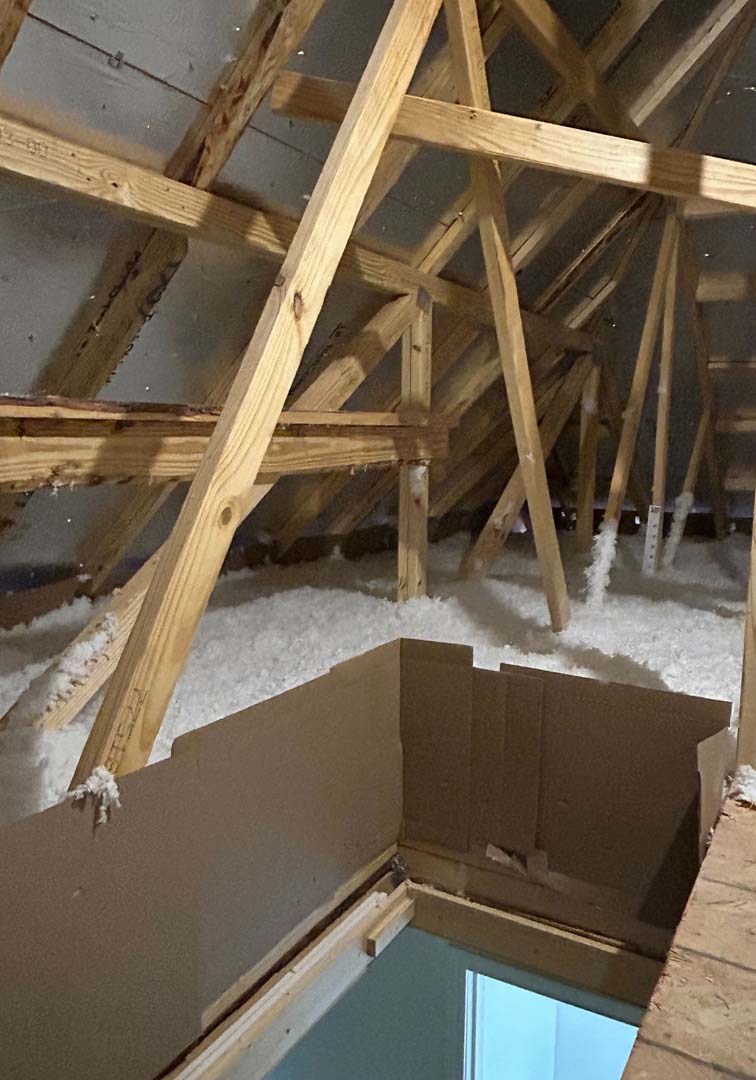
Open the hatch and stay on the ladder. Shine a flashlight across the attic floor to get a sense of the insulation's depth and condition. For a basic attic insulation depth check, focus on the ceiling joists. If their tops are visible above the insulation, you probably have too little coverage in those areas. The same goes for the wall top plates that rise above the insulation.
Do you notice dark or gray patches on the insulation, or material that’s been pushed aside around pipes, wiring, and the hatch? Dirty insulation can be a sign of air moving through it.
The hatch itself should have insulation on the back and weatherstripping around the opening. Old, compressed, or damaged insulation may need more than a simple top-off, so it’s worth understanding the warning signs that may call for new attic insulation.
If your self-check reveals thin insulation or signs of leakage, the order of work is fairly simple: seal the openings in the ceiling plane before adding insulation. Otherwise, new material can cover gaps that should have been sealed.
The combined improvements can reduce energy use. Homeowners can save an average of 15% on heating and cooling costs by air sealing their homes and adding insulation in attics, floors over crawl spaces, and accessible basement rim joists.
For homeowners planning to add attic insulation before winter in Georgia, October is a practical time to get it done. Attics are generally easier to work in than during August’s heat, and you can finish the job before the first stretch of winter weather.
Fall leaves can clog gutters, causing water to back up and potentially wet attic insulation near the eaves.
Air sealing methods include spray foam sealant around wiring and plumbing penetrations, electrical boxes, and top and bottom plates. Fire-rated caulk seals sheathing seams and framing corners, while standard caulk seals stationary cracks. Rigid foam board covers larger openings. The sealing work is completed before installing additional attic insulation.
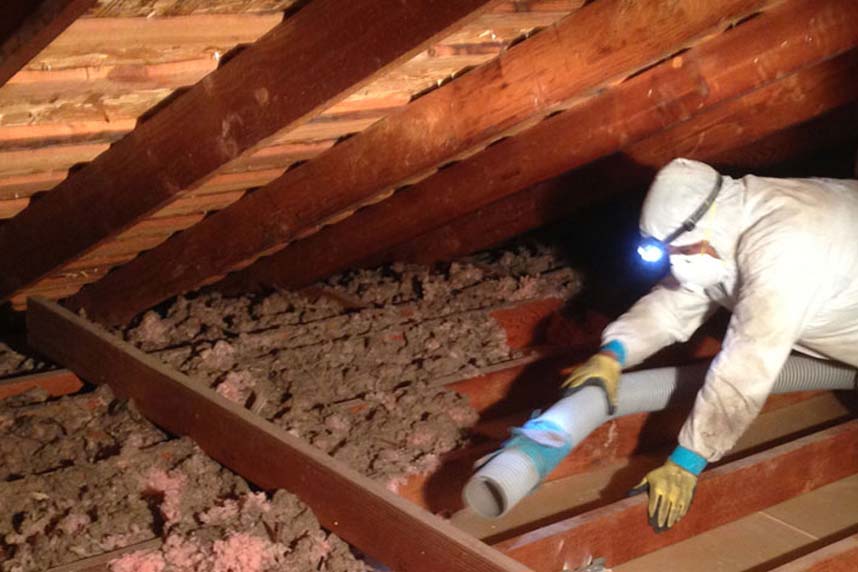
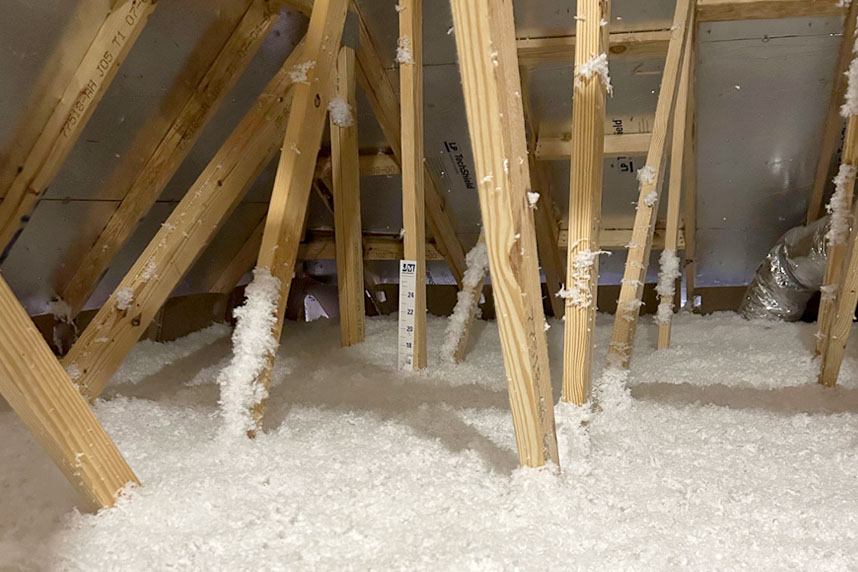
If the insulation is in good condition but coverage is insufficient, installers can add blown-in fiberglass or cellulose over it. With blown-in attic insulation in Georgia, installers can fill spaces around framing and other obstacles to provide more consistent coverage. Depth rulers placed between the trusses show the finished insulation depth, with the material also built up around the attic hatch.
Wet, badly compressed, or pest-damaged insulation may need to be removed before replacement. If there’s an active infestation, a pest control company must clear it before insulation removal can begin.
The sun may have gone down, but the attic is still holding onto the afternoon's heat. Without enough insulation between the attic and the rooms below, that heat can keep upstairs bedrooms warm well into the evening.
Open the attic hatch and shine a flashlight across the floor while staying on the ladder. If the tops of the ceiling joists are visible above the insulation, you likely need more coverage.
Yes. Seal openings in the ceiling plane before adding insulation so they aren't buried beneath the new material.
Yes. The attic is generally easier to work in than in summer, and you can complete the project before the colder part of the heating season.
Dust streaks may indicate air moving through gaps around the registers or nearby fixtures. They don’t always mean there’s an attic leak, but they’re worth checking, especially if the rooms below the attic are drafty.
The week of October 12 gave Forsyth County homeowners a chance to see how their houses handle sudden temperature changes. If the same rooms were uncomfortable during the heat and the first cold mornings, the attic may be part of the problem.
You can seal ceiling air leaks first, then top off thin insulation, often in the same visit. October is a good time to complete both before heating season.
Homeowners in Cumming and Forsyth County can contact Woodman Insulation for an attic inspection and estimate through its residential insulation services.
References
“Attic Air Sealing Project.” ENERGY STAR, U.S. Environmental Protection Agency, www.energystar.gov/saveathome/seal_insulate/attic-air-sealing-project.
“Attic Insulation Project.” ENERGY STAR, U.S. Environmental Protection Agency, www.energystar.gov/saveathome/seal_insulate/attic-insulation-project.
“Methodology for Estimated Energy Savings.” ENERGY STAR, U.S. Environmental Protection Agency, www.energystar.gov/saveathome/seal_insulate/methodology.
National Weather Service. “Preliminary Monthly Climate Data (CF6): Atlanta, GA, October 2026.” National Oceanic and Atmospheric Administration, forecast.weather.gov/product.php?format=CI&glossary=0&issuedby=ATL&product=CF6&site=NWS&version=1.