As a Georgia homeowner or builder, you want to install spray foam insulation because it seals a home tight and cuts energy bills. But somewhere along the way you have heard a rumor that gives you pause: spray foam can void a termite warranty.
That fear is valid. When foam covers a foundation wall, a pest inspector cannot see what is happening behind it. A blocked inspection can lead to a denied termite claim and hidden structural damage that goes unnoticed for years.
Here is the good news. Georgia's building code does not ban spray foam near your foundation. It requires removable insulation and inspection access at specific points, so foam and termite protection can work together. Georgia's 2022 energy code amendments require insulation at the interior rim joist in basements and crawl spaces to stay removable for pest inspections. Older code sections already require inspection clearance for foam plastics in areas with heavy termite hazard. When spray foam is installed correctly, it does not have to void your termite warranty.
Understanding the Georgia spray foam building code is the first step toward protecting both your energy bills and your home's structure. Keep reading to learn more. It is also a good idea to have a trustworthy contractor assess your crawl space or foundation and install to these requirements.
Spray foam is applied directly onto foundation walls and framing members like sill plates and band joists. These are the exact spots a pest professional checks first for termite evidence. Rats and insects such as termites and carpenter ants can tunnel through spray foam, and their presence within or behind it makes a visual inspection very difficult, and oftentimes even impossible. No reliable non-visual tools are currently proven to detect an infestation hidden under foam. Reputable professional contractors design spray foam insulation installations with this inspection access in mind from the start.

Many homeowners have heard the myth that spray foam attracts termites. The truth is that spray foam does not attract termites, and it is not a food source for them. Termites can still travel through the material, though, which hides their activity from view. That is the real issue: does spray foam void my termite warranty? Not because of the foam itself, but because it blocks what a pest professional can see.
Pest management companies often write contract language stating that anything preventing a visual inspection may affect or void a termite warranty. Before you install or alter insulation in your crawl space or basement, check with your pest control provider first. Take the time to review your contract before moving forward with foam.
Georgia's Department of Community Affairs approved amendments to the state energy code that took effect January 1, 2022. The rule requires removable insulation at the framing and foundation interface, specifically to keep termite inspections possible. This applies to the interior rim joist, sometimes called the box sill. This framing sits directly on top of the foundation wall in basements and crawl spaces. Builders and installers now must leave a rim joist termite inspection point open, rather than sealing the whole area shut.
Georgia's code also addresses foam plastic more broadly. In areas with very heavy termite hazard, foam plastic materials such as polystyrene and polyisocyanurate cannot be installed below grade on the exterior of foundation walls or slab foundations, with limited exceptions. Foam plastic applied to an exterior wall where termite hazard is very heavy needs at least six inches of clearance from the earth, according to Georgia's state minimum standard codes.
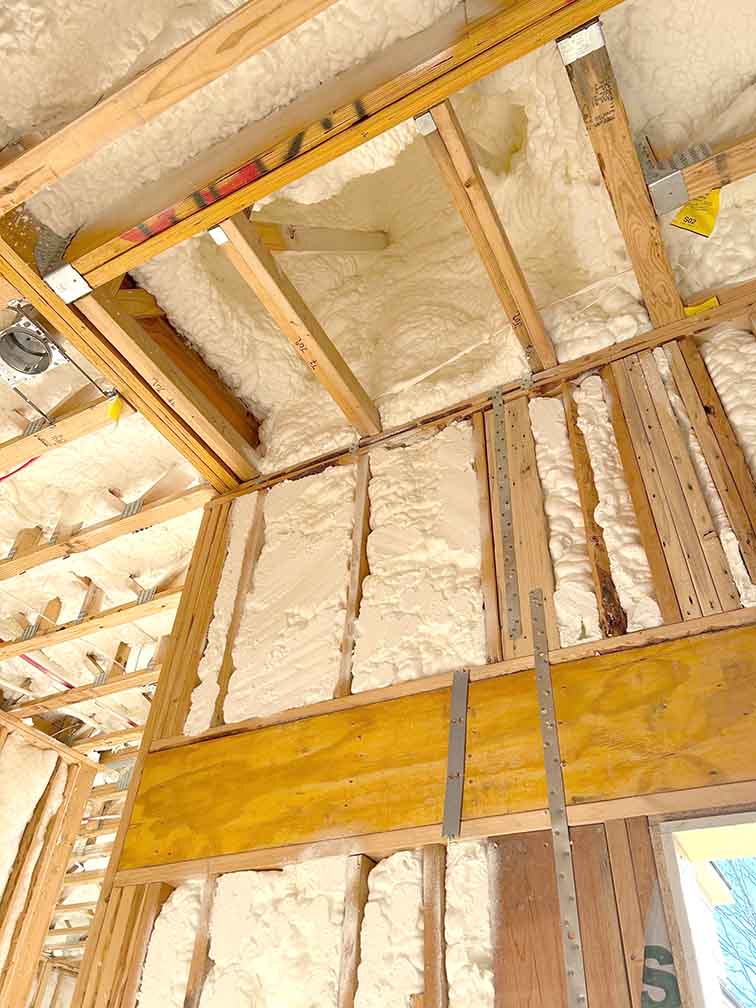
The code does not prohibit spray foam elsewhere in your home, including on foundation walls and other framing components. Only the rim joist area must stay removable and inspectable. Meeting spray foam insulation Georgia code requirements starts with pairing a compliant inspection strip with choosing the right R-value for your climate zone.
Georgia's Structural Pest Control Commission worked with the Department of Agriculture to push this amendment through. The goal was to let homeowners keep spray foam's efficiency benefits without giving up a valid termite guarantee.
Before work begins, confirm your installer plans to build in a removable insulation section or inspection gap at the rim joist, per the 2022 amendment. This single detail often decides whether you keep a valid bond or face a denied claim. If you are still comparing installers, these tips for choosing a qualified spray foam contractor can help you ask the right questions.
Contact your termite or pest management company before installing or altering insulation in your crawl space or basement. They can confirm exactly how the work will affect your existing bond and what documentation they will need going forward.
Take photos of your foundation wall, sill plate, and the band joist above it before foam is applied. This isn't a code requirement; it is a practical tip that gives you a record to refer to if a dispute comes up later.
Closed-cell spray foam resists moisture well, which makes it a strong fit for crawl space walls. But the inspection gap rule still applies no matter which type of foam you choose. Protecting your crawl space spray foam termite bond means treating the rim joist detail as non-negotiable. Look for a professional crawl space insulation process built around exactly that.
Builders should plan the removable rim joist detail at the framing stage, before installing insulation. If you are a homeowner with foam already installed in an older home, ask your contractor how they can retrofit a termite inspection gap spray foam installers can leave open without tearing out your existing work.
Not automatically. A code-compliant installation that includes a removable rim joist section or inspection gap is designed to preserve inspection access and keep your bond eligibility intact.
No. The below-grade exterior restriction and six-inch clearance rule apply narrowly to areas with very heavy termite hazard. They are not a blanket ban on foam near foundations.
It is a section of the foundation wall or the sill plate and band joist above it. It is left uncovered so a pest professional can visually check for mud tubes and other termite damage. This gap is what keeps a spray foam installation inspectable.
Spray foam is not a food source for termites, but they can still tunnel through it. That tunneling can hide their activity from a routine visual inspection, which is why access points for a visual inspection matter so much.
January 1, 2022, under that year's amendments to the state energy code.
Georgia's code exists so you don't have to choose between energy efficiency and termite protection. The material itself has never been the real issue. Professional, code-aware installation determines whether your home keeps both benefits or loses one.
With 40 years of local experience navigating Georgia's insulation and building code requirements, Woodman Insulation can assess your crawl space or foundation and install spray foam that respects your termite inspection access from day one. Contact our team today to schedule your assessment and receive a plan built around your home's specific needs.
References
Georgia Department of Agriculture, Structural Pest Control Commission. "Spray Foam Insulation & Pest Management." SPCC Notice 18-04, 20 June 2018, https://agr.georgia.gov/sites/default/files/documents/pest-control/notice-18-04-spray-foam-insulation-and-pest-management.pdf.
Rules and Regulations of the State of Georgia. "Subject 110-11-1 Georgia State Minimum Standard Codes." Georgia Secretary of State, https://rules.sos.ga.gov/gac/110-11-1.
Spray Foam Coalition. "SFC Guidance on Georgia Code Amendments for Crawlspaces, Basements, and Attics." Spray Foam Coalition, 24 Apr. 2025, https://sprayfoamcoalition.org/sfc-guidance-on-georgia-code-amendments-for-crawlspaces-basements-and-attics/.
Spray Foam Coalition. "Termite Inspections and Spray Foam Insulation." Spray Foam Coalition, 25 Aug. 2025, https://sprayfoamcoalition.org/termite-inspections-and-spray-foam-insulation/.